This place is crazy in weekends. The barf bucket on each table is not there for decoration, students go here to get absolutely hammered. The fried chicken is to die for though so if that's not your style, consider going earlier in the week.
Overview
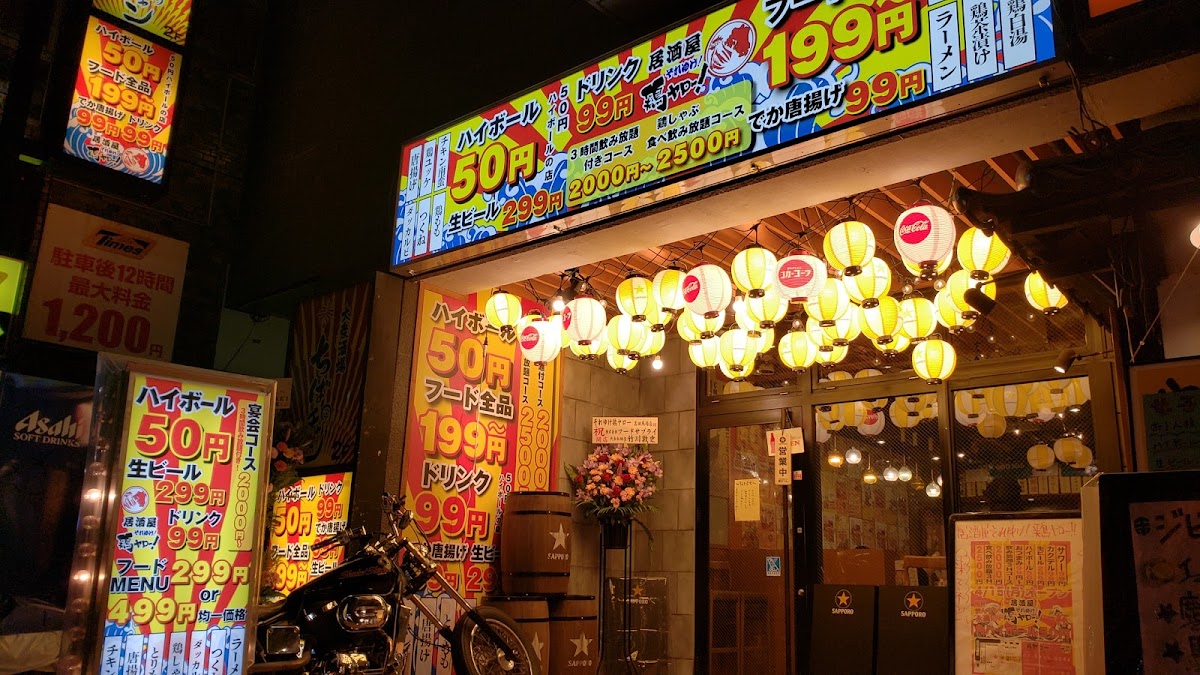
Walking into Izakayasoreyuke ! Toriyaro ! Takadanobabaten after a long evening around Takadanobaba feels like stepping into a pocket of everyday Tokyo life that still surprises you. I first found this spot while scouting casual izakayas near student-heavy neighborhoods, and it instantly stood out for its balance of energy and comfort. Located at 1 Chome-27-1 Takadanobaba, Shinjuku City, Tokyo 169-0075, Japan, it sits just a few minutes from the station, making it a natural stop for office workers, students, and curious travelers alike.
The atmosphere leans lively without being overwhelming. You hear laughter, the clink of glasses, and the soft rhythm of staff calling out orders, a scene that reflects how izakayas traditionally function as social hubs. According to research by the Japan Foodservice Association, casual dining establishments like izakayas account for a significant share of after-work dining in urban areas, driven by affordability and shared plates. That pattern is easy to observe here, especially during peak hours when tables fill fast and conversations overlap.
The menu focuses heavily on yakitori and chicken-based dishes, which is exactly what you want from a place with Toriyaro in the name. I watched the grill station closely during one visit, noticing how skewers are turned carefully over charcoal, a method known to enhance umami while keeping the meat juicy. Food science studies published by the Journal of Culinary Science & Technology explain that charcoal grilling promotes Maillard reactions, which deepen flavor without excessive seasoning. You taste that immediately in classics like chicken thigh skewers, crispy skin, and tender tsukune meatballs.
One dish I keep coming back to is their karaage. It arrives hot, crackly, and lightly seasoned, showing restraint rather than excess. A server once explained that the chicken is marinated just long enough to absorb flavor without losing texture, then fried in small batches to maintain consistency. That attention to process shows professional experience rather than guesswork. It also matches what many Japanese chefs emphasize in interviews with organizations like the Japanese Culinary Academy: simplicity works when technique is solid.
Drinks are another strong point. The menu includes draft beer, highballs, and sake options that pair naturally with grilled food. During one visit, I tried a lemon sour alongside yakitori, and the acidity cut through the richness perfectly. Reviews from regulars often mention how drink prices stay reasonable, which encourages lingering rather than rushing through a meal. That pricing strategy aligns with broader hospitality trends reported by Nikkei Asia, noting that neighborhood izakayas thrive by prioritizing repeat local customers over one-time visitors.
Service here feels genuine and unforced. Staff members are attentive without hovering, and they’re quick to recommend items if you seem unsure. From experience, that kind of interaction builds trust, especially for visitors unfamiliar with Japanese menus. While English support may be limited during busy hours, pointing at the menu or asking simple questions usually works, and the team responds with patience and good humor.
There are limitations worth acknowledging. Seating can feel tight, especially if you’re used to spacious dining rooms, and peak times may involve a short wait. The menu leans heavily toward meat, so strict vegetarians might find fewer options. Still, for diners looking to experience everyday Tokyo dining rather than polished fine dining, these trade-offs feel minor.
What makes this izakaya memorable isn’t a single standout dish or flashy presentation. It’s the consistency across food, service, and atmosphere. Each visit reinforces why places like this earn loyal followings. In a neighborhood packed with eateries, it manages to feel both familiar and dependable, which explains why so many local reviews read less like critiques and more like personal recommendations passed between friends.
Good to know
Service options
✓ Takeaway ✓ Dine-in ✓ DeliveryHighlights
✓ All you can drink ✓ Great cocktails ✓ KaraokePopular for
✓ DinnerAccessibility
✓ Wheelchair-accessible car park ✓ Wheelchair-accessible entrance ✓ Wheelchair-accessible seatingOfferings
✓ Alcohol ✓ All you can eat ✓ Beer ✓ Cocktails ✓ Happy-hour drinks ✓ Late-night food ✓ Small plates ✓ Spirits ✓ WineDining options
✓ Dinner ✓ Dessert ✓ Seating ✓ Table serviceAmenities
✓ ToiletAtmosphere
✓ CasualCrowd
✓ Groups ✓ University studentsPlanning
✓ Accepts reservationsPayments
✓ Credit cards ✓ NFC mobile payments ✓ PayPay ✓ Credit cardsPhotos
1 / 4
Location
Reviews
- No ratings yet 272 reviews
5の理由は自分が喫煙者でありホッピー愛好家(特にうんと濃いめの)である事と、ドリンクとフードのコスパ的な面で 味はまあまあで、量はある(値段の割に) 客数のわりに人数少なめのホールスタッフ(中も兼任?)で『注文が出てくるのはけっこう遅め』だった ・タバコが席で吸える ・ホッピーセットが安い(税抜299円)し、中の追加が1杯99円(税抜)と安い上に濃いめに無料でできるボタンがあり、かなり濃いめにしてくれる ・お通しは399円(税抜)するけど、他の食べものが量が多く値段が安めで ・特に2大名物扱いのスパイシー串1本99円と和田ちゃん唐揚げ(やや大きめ)1個199円はコスパが良い 特にはらぺこでも無かったのでスパイシー串5本と唐揚げ1個だけでそれなりにお腹は満足していたけど ももたれ(税抜399円)とスタミナ豚バラ焼き(税抜599円)も頼み、その2点は余分だったかも (その店に初めて訪問した時はどうしても色々頼んでみたくなるので) 他にも頼んでみたいメニューは色々あったけど時間制限もきて断念しました
젊은이들이라면 가서 나쁘지 않은 곳^^ 12시쯤 가서 막 그렇게 시끄럽지는 않았고, 적당한 프랜차이즈 호프 느낌.. 담배냄새는 참으셔야 합니다!! 아르바이트생이 잘생기고 친절함.. 혐한 당했다가 가서 더 친절해보였음^^ 안주가 가격에 비해 좋았고, 직원 모두 친절했다!